Buy pmako.com ?
We are moving the project
pmako.com .
Are you interested in purchasing the domain
pmako.com ?
domain@kv-gmbh.de · 0541-91531010
Buy pmako.com ?
What is the Antarctic?
The Antarctic is a continent located at the southernmost part of the Earth. It is covered in ice and is home to the South Pole. The Antarctic is known for its extreme cold temperatures and harsh, remote environment. It is also a place of scientific research and exploration, with many countries operating research stations there to study the unique ecosystem and climate. **
Is the Antarctic a desert?
Yes, the Antarctic is considered a desert because it receives very little precipitation, with an average annual precipitation of only about 8 inches. The majority of the continent is covered by ice, and the dry, cold conditions make it similar to a desert environment. In fact, the Antarctic is the driest and windiest continent on Earth, with extremely low humidity and limited plant and animal life. **


Similar search terms for Antarctic
Top-Angebote
Products related to Antarctic:
-
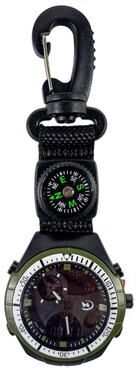
Multisell Products Hub Outdoor Hiking Watch With Compass & Carabiner Survival Sports Pocket Watch For Camping, Hiking, And Backpacking greenGear up for your next adventure with the Hiking Watch designed for explorers, outdoor enthusiasts, and adventurers alike. This allinone survival gadget combines a precision compass, sports pocket watch, and carabiner for easy attachment to your...44,97 $*Shipping: 0,00 $Secure redirect to the provider
-
Perfect Picks Market Kids Explorer Kit, Bug Catcher, Binoculars, Outdoor Exploration Kit For Hiking, Camping, Educational Toy For Kids Kids Explorer Kit, Bug Catcher, Binoculars, Outdoor Exploration Kit For Hiking, Camping, Educational Toy For KidsExplore the Outdoors with the 11PCS Kids Explorer Kit The 11PCS Kids Explorer Kit with Binoculars is the perfect set for your little adventurer. Designed to spark curiosity, this bug catcher outdoor exploration kit includes everything kids need for...129,97 $*Shipping: 0,00 $Secure redirect to the provider
-
Smart Shopping Spot Camping Gas Stove Foldable Windproof Burner For Backpacking & Outdoor Cooking Camping Gas Stove Foldable Windproof Burner For Backpacking & Outdoor CookingTake your outdoor cooking to the next level with this portable camping stove designed for adventurers who refuse to compromise on convenience. Whether you're hiking deep into the mountains or enjoying a relaxed picnic, this compact yet powerful...44,97 $*Shipping: 0,00 $Secure redirect to the provider
-
Smart Shopping Spot Camping Stove Folding Gas Burner Compact Backpacking Stove For Outdoor Cooking Camping Stove Folding Gas Burner Compact Backpacking Stove For Outdoor CookingEnjoy hot meals wherever your adventure takes you with this portable camping stove designed for freedom and convenience. Whether you're hiking deep trails or setting up a quick campsite, this compact burner delivers reliable heat in seconds. Built...44,97 $*Shipping: 0,00 $Secure redirect to the provider



-
Can one cross under the Antarctic?
No, it is not possible to cross under the Antarctic continent. The continent is covered by a thick ice sheet, and there are no land routes that connect the opposite sides of the continent. Additionally, the extreme cold and harsh conditions make it nearly impossible for any kind of overland crossing to be attempted. The most common way to reach the opposite side of the continent is by air or sea. **
-
What is happening with the Antarctic?
The Antarctic is experiencing significant changes due to climate change. The region is warming at a faster rate than the global average, leading to the melting of its ice sheets and glaciers. This is contributing to rising sea levels and impacting the delicate ecosystems and wildlife that call the Antarctic home. Additionally, there are concerns about the potential release of large amounts of freshwater from the melting ice, which could disrupt ocean currents and further exacerbate global climate patterns. Efforts are being made to study and monitor these changes in order to better understand and mitigate their impacts. **
-
What are biotic factors in the Antarctic?
Biotic factors in the Antarctic include various species of algae, mosses, lichens, and other plants that are able to survive in the extreme cold and harsh conditions. Additionally, there are a variety of animal species such as penguins, seals, and various types of birds that have adapted to the Antarctic environment. These biotic factors play a crucial role in the Antarctic ecosystem, contributing to the overall biodiversity and functioning of the region. **
-
What happens when the Antarctic ice melts?
When the Antarctic ice melts, it contributes to rising sea levels, which can lead to coastal flooding and erosion. This can have devastating effects on coastal communities and ecosystems. Additionally, the melting of Antarctic ice can disrupt ocean currents and weather patterns, leading to changes in global climate. The release of freshwater from the melting ice can also affect marine life and ecosystems in the surrounding areas. **
What are abiotic factors in the Antarctic?
Abiotic factors in the Antarctic include extreme cold temperatures, strong winds, low precipitation, and high levels of ultraviolet radiation due to the hole in the ozone layer. The frozen landscape is also a significant abiotic factor, as the ice and snow cover much of the continent. These abiotic factors create a harsh environment that shapes the unique ecosystems and limits the types of organisms that can survive in the Antarctic. **
Can polar bears survive in the Antarctic?
No, polar bears cannot survive in the Antarctic. Polar bears are native to the Arctic region and are adapted to the cold climate and sea ice habitat found there. The Antarctic, on the other hand, is a continent surrounded by the Southern Ocean and is home to a different set of animals, such as penguins and seals. The climate and ecosystem of the Antarctic are not suitable for polar bears to survive. **
Top-Angebote
Products related to Antarctic:
-
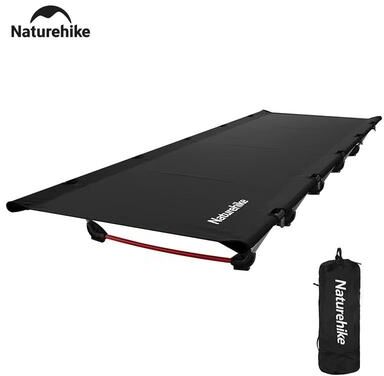
Inspired Finds Naturehike Folding Camping Cot Lightweight Portable Bed For Outdoor Travel, Hiking & Backpacking blackSleep comfortably under the stars with the folding camping cot designed for durability, comfort, and portability. Built with a sturdy frame that supports up to 150kg, this bed keeps you elevated from uneven or damp ground for a better nights rest...210,99 $*Shipping: 0,00 $Secure redirect to the provider
-
Multisell Products Hub Outdoor Hiking Watch With Compass & Carabiner Survival Sports Pocket Watch For Camping, Hiking, And Backpacking greenGear up for your next adventure with the Hiking Watch designed for explorers, outdoor enthusiasts, and adventurers alike. This allinone survival gadget combines a precision compass, sports pocket watch, and carabiner for easy attachment to your...44,97 $*Shipping: 0,00 $Secure redirect to the provider
-
Perfect Picks Market Kids Explorer Kit, Bug Catcher, Binoculars, Outdoor Exploration Kit For Hiking, Camping, Educational Toy For Kids Kids Explorer Kit, Bug Catcher, Binoculars, Outdoor Exploration Kit For Hiking, Camping, Educational Toy For KidsExplore the Outdoors with the 11PCS Kids Explorer Kit The 11PCS Kids Explorer Kit with Binoculars is the perfect set for your little adventurer. Designed to spark curiosity, this bug catcher outdoor exploration kit includes everything kids need for...129,97 $*Shipping: 0,00 $Secure redirect to the provider
-
What is the Antarctic?
The Antarctic is a continent located at the southernmost part of the Earth. It is covered in ice and is home to the South Pole. The Antarctic is known for its extreme cold temperatures and harsh, remote environment. It is also a place of scientific research and exploration, with many countries operating research stations there to study the unique ecosystem and climate. **
-
Is the Antarctic a desert?
Yes, the Antarctic is considered a desert because it receives very little precipitation, with an average annual precipitation of only about 8 inches. The majority of the continent is covered by ice, and the dry, cold conditions make it similar to a desert environment. In fact, the Antarctic is the driest and windiest continent on Earth, with extremely low humidity and limited plant and animal life. **
-
Can one cross under the Antarctic?
No, it is not possible to cross under the Antarctic continent. The continent is covered by a thick ice sheet, and there are no land routes that connect the opposite sides of the continent. Additionally, the extreme cold and harsh conditions make it nearly impossible for any kind of overland crossing to be attempted. The most common way to reach the opposite side of the continent is by air or sea. **
-
What is happening with the Antarctic?
The Antarctic is experiencing significant changes due to climate change. The region is warming at a faster rate than the global average, leading to the melting of its ice sheets and glaciers. This is contributing to rising sea levels and impacting the delicate ecosystems and wildlife that call the Antarctic home. Additionally, there are concerns about the potential release of large amounts of freshwater from the melting ice, which could disrupt ocean currents and further exacerbate global climate patterns. Efforts are being made to study and monitor these changes in order to better understand and mitigate their impacts. **
Similar search terms for Antarctic
-
Smart Shopping Spot Camping Gas Stove Foldable Windproof Burner For Backpacking & Outdoor Cooking Camping Gas Stove Foldable Windproof Burner For Backpacking & Outdoor CookingTake your outdoor cooking to the next level with this portable camping stove designed for adventurers who refuse to compromise on convenience. Whether you're hiking deep into the mountains or enjoying a relaxed picnic, this compact yet powerful...44,97 $*Shipping: 0,00 $Secure redirect to the provider
-
Smart Shopping Spot Camping Stove Folding Gas Burner Compact Backpacking Stove For Outdoor Cooking Camping Stove Folding Gas Burner Compact Backpacking Stove For Outdoor CookingEnjoy hot meals wherever your adventure takes you with this portable camping stove designed for freedom and convenience. Whether you're hiking deep trails or setting up a quick campsite, this compact burner delivers reliable heat in seconds. Built...44,97 $*Shipping: 0,00 $Secure redirect to the provider
-
Inspired Finds Naturehike Folding Camping Cot Lightweight Portable Bed For Outdoor Travel, Hiking & Backpacking khakiSleep comfortably under the stars with the folding camping cot designed for durability, comfort, and portability. Built with a sturdy frame that supports up to 150kg, this bed keeps you elevated from uneven or damp ground for a better nights rest...210,99 $*Shipping: 0,00 $Secure redirect to the provider
-
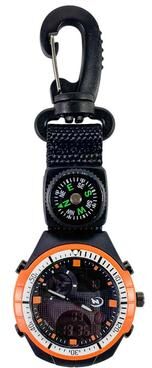
Multisell Products Hub Outdoor Hiking Watch With Compass & Carabiner Survival Sports Pocket Watch For Camping, Hiking, And Backpacking orangeGear up for your next adventure with the Hiking Watch designed for explorers, outdoor enthusiasts, and adventurers alike. This allinone survival gadget combines a precision compass, sports pocket watch, and carabiner for easy attachment to your...44,97 $*Shipping: 0,00 $Secure redirect to the provider
-
What are biotic factors in the Antarctic?
Biotic factors in the Antarctic include various species of algae, mosses, lichens, and other plants that are able to survive in the extreme cold and harsh conditions. Additionally, there are a variety of animal species such as penguins, seals, and various types of birds that have adapted to the Antarctic environment. These biotic factors play a crucial role in the Antarctic ecosystem, contributing to the overall biodiversity and functioning of the region. **
-
What happens when the Antarctic ice melts?
When the Antarctic ice melts, it contributes to rising sea levels, which can lead to coastal flooding and erosion. This can have devastating effects on coastal communities and ecosystems. Additionally, the melting of Antarctic ice can disrupt ocean currents and weather patterns, leading to changes in global climate. The release of freshwater from the melting ice can also affect marine life and ecosystems in the surrounding areas. **
-
What are abiotic factors in the Antarctic?
Abiotic factors in the Antarctic include extreme cold temperatures, strong winds, low precipitation, and high levels of ultraviolet radiation due to the hole in the ozone layer. The frozen landscape is also a significant abiotic factor, as the ice and snow cover much of the continent. These abiotic factors create a harsh environment that shapes the unique ecosystems and limits the types of organisms that can survive in the Antarctic. **
-
Can polar bears survive in the Antarctic?
No, polar bears cannot survive in the Antarctic. Polar bears are native to the Arctic region and are adapted to the cold climate and sea ice habitat found there. The Antarctic, on the other hand, is a continent surrounded by the Southern Ocean and is home to a different set of animals, such as penguins and seals. The climate and ecosystem of the Antarctic are not suitable for polar bears to survive. **
* All prices are inclusive of VAT and, if applicable, plus shipping costs. The offer information is based on the details provided by the respective shop and is updated through automated processes. Real-time updates do not occur, so deviations can occur in individual cases. ** Note: Parts of this content were created by AI.